
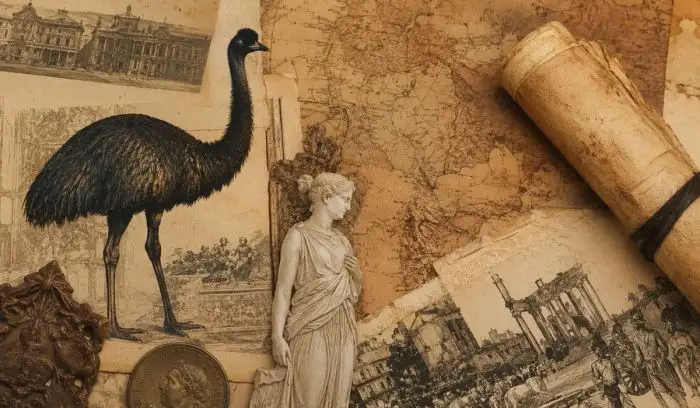
Interesting history facts you won't find in textbooks reveal a side of the past that is surprising, unusual, and often entertaining. While history books usually focus on major wars, rulers, and political events, many fascinating stories are left out. From Australia’s famous Emu War to the CIA’s attempt to use a cat as a spy, these forgotten events show that real history can be stranger than fiction.
Learning these hidden stories helps us understand the past from a fresh perspective and makes history far more enjoyable. Explore these remarkable events that prove history is full of unexpected twists and unforgettable moments.
Facts You Aren't Taught in School
For many histories, historians find an entertaining and tangential little story that usually gets left on the cutting room floor (especially considering the amount of evidence one can find to support it).
Whether discussing a war lasting only 45 minutes or a battle against emus-yes, real-life, vertical, flightless birds-historians view history as a hot topic for weird, wonderful, wacky facts. Feel up to exploring what old books recorded? Here are twenty such facts on history you never get taught in school.
Read More: Eco Friendly Dog Care
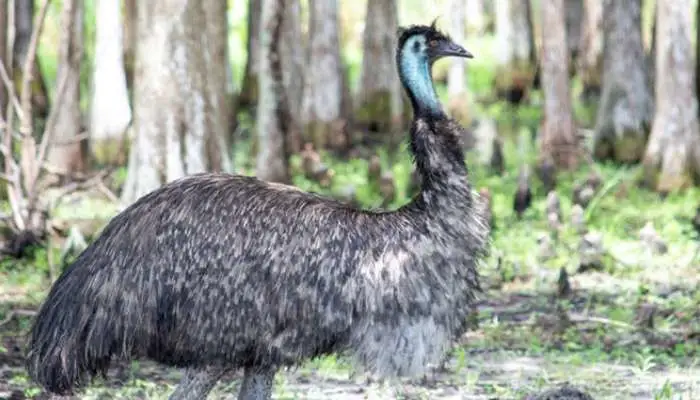
Australia fought a “war” against emus (and didn’t win)
In late 1932, Western Australia unleashed soldiers against crop-ravaging emus. For weeks troops peppered the flightless pests from rifles; however, the body count fell dramatically short of estimates and the whole operation became something of a laughingstock across the country. The reason people remember the operation today is precisely its disappointing performance for such a formidable venture.
The U.S. Army tried using camels in the Southwest
The U.S. Army purchased several dozen camels in the mid-1850s to evaluate their capacity compared to horses and mules in hot deserts. The results that came back indicated the animals could handle heat and limited water, but as the Civil War neared, so did any impetus to keep trying new-to-America animals, and auctioneers auctioned off much of the menagerie and scattered it around the West, where it persisted in legend for decades.
The U.S. built a nuclear-powered base under Greenland’s ice as cover for a missile idea
The real thing – a subterranean installation hollowed out in Greenland’s ice, powered at some point by a mobile nuclear reactor and envisioned publicly as a research and engineering display with an associated secret project (Project Ice worm) – considered storing missiles in glacial tunnels. (The ice movement rendered it impossible and the camp was closed).
The CIA spent real money trying to turn a cat into a spy tool
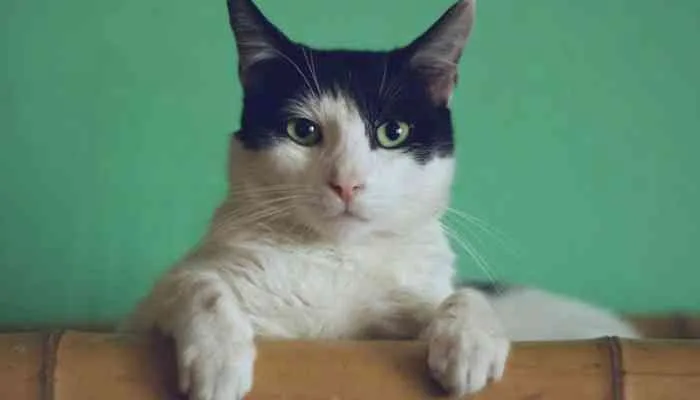
CIA Project on "acoustic Kitty" It may surprise to learn that the CIA indeed tested a cat which would carry an array of listening devices aboard. The practical problem of convincing an outdoorsy cat to comply with its duties was significant. CIA records sometimes recount this operation as a brave endeavor with real world shortcomings.
The earliest well-documented labor strike was recorded in ancient Egypt
In Deir el-Medina – the village where the craftsmen of the royal tombs lived – workers protesting against late food supplies left their tools and held a rally at the temple of Thutmose III. This incident is reported by a scribe on what is usually known as the ‘Strike papyrus’. The workers are supposed to have yelled ‘We are hungry!’ because payment for food did not arrive on day 18 of its due day.
London once had a deadly beer flood
The London Beer Flood: “In this terrible accident, a force crushed nine unfortunate persons to death…” (1814) “The contents of a huge vat of brown porter at the Horse Shoe Brewery burst open and poured into the adjacent street and out onto the street in a destructive wave of beer.”
“This tragedy would see eight lives lost and would leave London…’s stranger history forever. When one of those terrible, great vats exploded at the Horse Shoe Brewery in St George-’s-’ field (42.77):19 on Monday 17th of October last as six o’clock it turned the adjacent street into a furious and irrate tide in’ the size of a house – some people were burnt up entirely by the scald of the porter…(some ten were drowned or crushed… to death)” (William Davies) “In this terrible accident, nine unfortunate persons were crushed to death."
Los Angeles fired over a thousand anti-aircraft shells at nothing in 1942
At the crack of dawn on February 25, 1942-less than two months after Pearl Harbor-the air raid sirens shrieked through Los Angeles as searchlights and anti-aircraft guns flooded the sky. This massive (and apparently unnecessary) alarm in LA eventually blamed the kerfuffle on wartime jitters and misidentification of a weather balloon-no actual enemy invaders in sight.
You May Also Read: Effect Of Population Growth On Forest
The oldest known written customer complaint is about bad copper
A clay tablet message to a merchant named Ea-nāṣir is known as the oldest written complaint and reads like a frustrated customer service message you might see today. It’s recognized by Guinness World Records, and the tablet has been held in the collections of the British Museum since the 1950s.
A dead pope was put on trial in 897
The “Cadaver Synod” involved exhuming the body of Pope Formosus and subjecting him to a staged trial with his dead, now very nine months old, body placed upright in front of them in a courtroom. Someone presumably presided over the trial to act in the deceased Pope’s defense, reading off the charges and one of the deacons answered them. The trial found the Pope guilty, which would have been an accomplishment under any circumstance, and then they threw him into the Tiber.
FAQs
1. What are interesting history facts you won't find in textbooks?
These are unusual or lesser-known historical events that are often overlooked in school lessons, despite being true and well-documented.
2. Why are some historical facts not included in textbooks?
Textbooks have limited space and mainly focus on major historical events, leaving out many fascinating stories and unusual incidents.
3. Was the Australian Emu War a real event?
Yes. In 1932, Australia used soldiers to reduce large emu populations damaging crops, making it one of history's most unusual military operations.
4. What is the oldest known customer complaint in history?
The oldest known written complaint is a Mesopotamian clay tablet sent to merchant Ea-nāṣir, criticizing the poor quality of copper he sold.
5. What is one of the strangest events in church history?
The Cadaver Synod of 897 is one of the strangest events, where the body of Pope Formosus was exhumed and put on trial after his death.