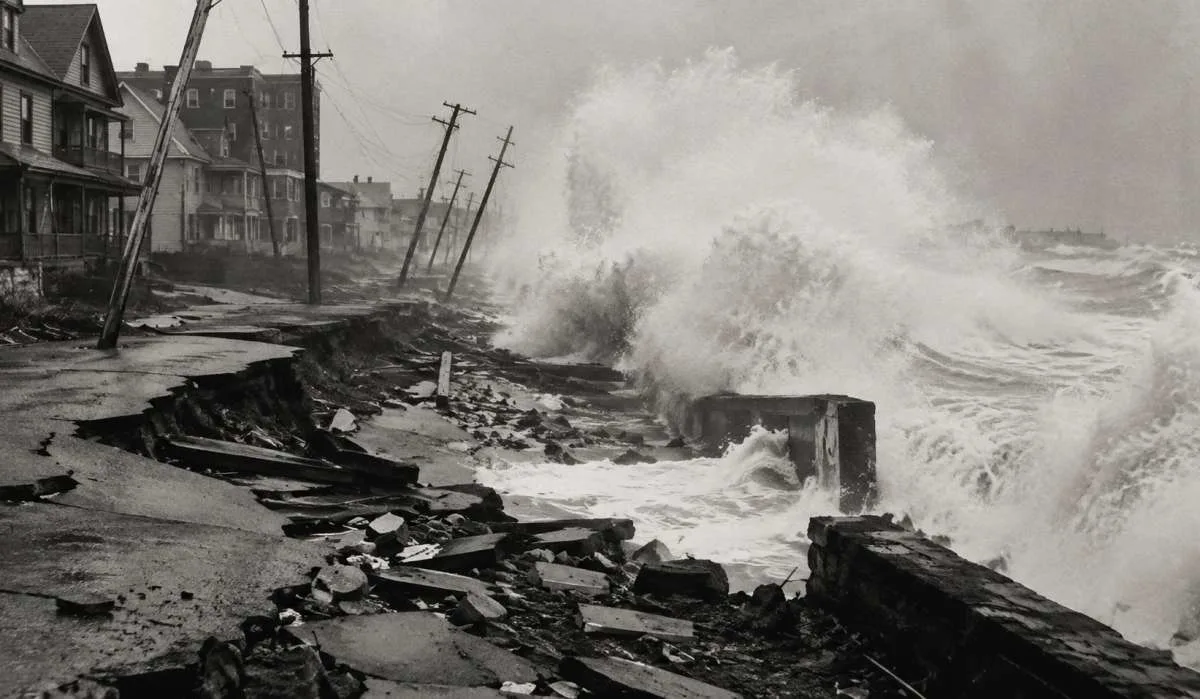

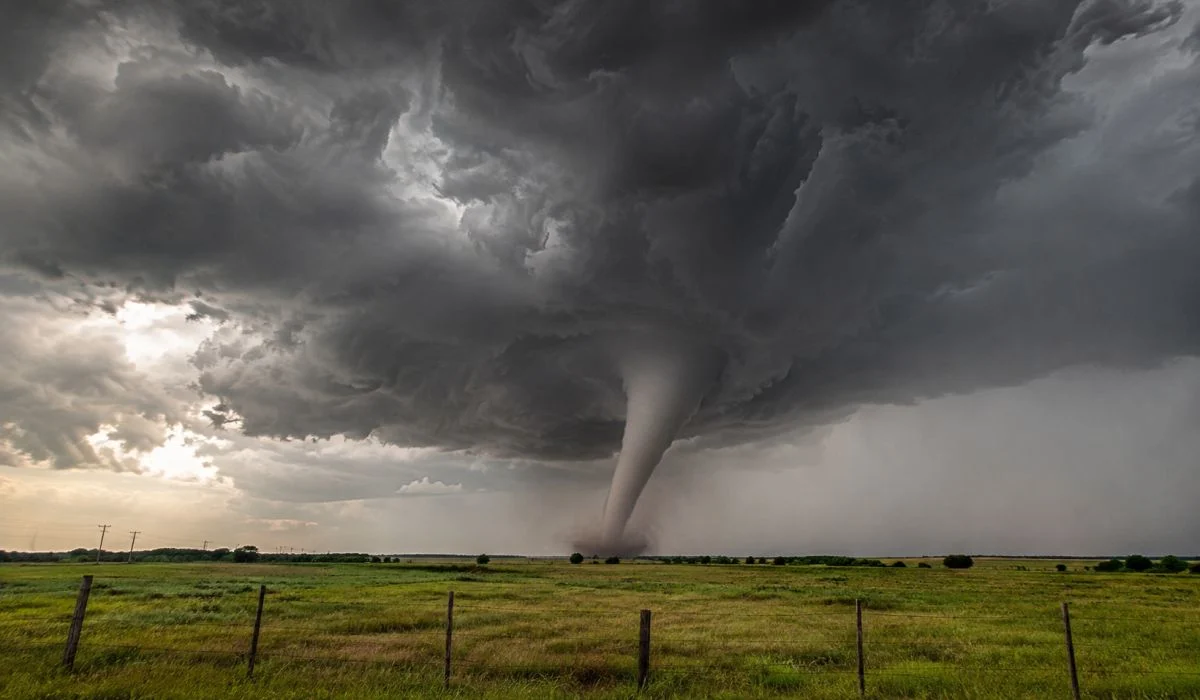
The tornado risk by state varies widely across the United States. Some states will have tornadoes every year while others may only have a few over several years. On the average year, the U.S. sees more than 1000 tornadoes, and traffic frequently peaks in the spring and early summer.
Most states in the middle to southern third of the country are more likely to experience tornadoes, but those in Alaska, Hawaii, and some New England states are less likely. This guide examines states that experience the most and the least tornadoes, and will show you the historical tornado data to determine where these powerful storms are likely to occur.
How at risk is your state?
The US experiences about 1,225 tornadoes each year, with May being the most prolific month for these savage and devastating storms. But of course, not all states receive their fair share of tornadoes. We’re counting down from state 50, using data from UStornadoes.com’s Tornado Tracker – an excellent source for tornado information and based on average monthly tornadoes between 1991 and 2015 (latest year on record) – to give us a clearer picture of just who is least likely – and most likely – to get caught in the eye of the storm.
Alaska (least likely)
If you are moving to or visiting Alaska do not worry, the state where you are least likely to see a tornado in the US. That is not saying tornadoes do not occur here. 4 have officially happened since 1950 with the most recent in August 2005. Again, Alaska is a very large state and each occurred only in relatively level country in the southwest and did minimal damage.
Read More: Environmental Benefits of Solar Panels: Pros and Cons
Hawaii
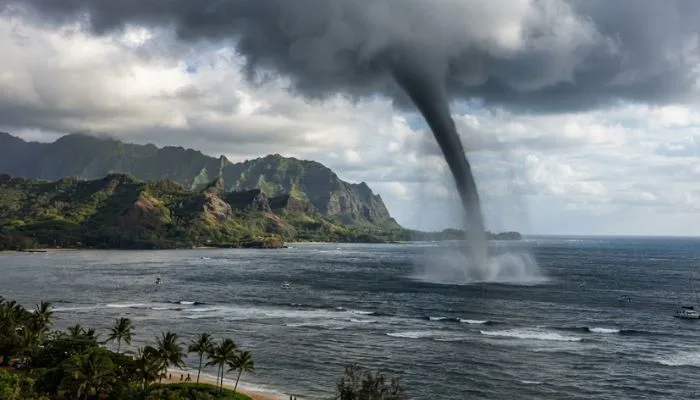
Tornados are uncommon in Hawaii; they may be very rare in the State of Hawaii, but they can and have occurred. The tornados in the State of Hawaii usually last a short time and cause very little damage, if any, but they may come in the form of very rare waterspouts that can be very destructive.
The most recent tornado touched down in Hawaii in April 2015. It touched down briefly in Hawaii on Oahu, but the damage to structures was insignificant.
Rhode Island
In Rhode Island, from 1991 to 2015, an average of 0.2 tornadoes occurred per year. Most, thankfully, are small and not much of a menace, but in 1986, a particularly vicious F2 tornado hit Cranston and Providence. Such wind speeds (113-157mph / 182-253km/h) uproot trees, bring down power lines, and destroy buildings.
Vermont
In Vermont we experience highs from snow to sunshine; however, tornadoes don't occur very often, considering that we averaged only 0.6 a year from 1991 through 2015.
All the tornadoes that touched down were small in comparison; although there were a few minor injuries, it seemed as though nobody was killed. As New England usually has a very short tornado season, July receives them more frequently.
New Hampshire
Tornadoes affected the state at a rate of 0.8 per year between 1991 and 2015. They occurred in the peak months of summer from 3pm to 9pm local time. Between 1951 and 2016 only one death resulted from a tornado in the state.
Delaware
Delaware, a small state, has received an average of 1 tornado per year over the period between 1991 and 2015. Tornadoes may occur only occasionally in Delaware, but when they happen, they tend to cause quite a damage.
Most of the tornadoes that occur in Delaware receive an F2 classification, with an F3 occurring in one instance on the 28th of April, 1961 that injured nobody or had no fatalities.
Massachusetts
However, it isn’t always just the summer in New England that you have to worry about tornadoes. A strange twister up to 110 mph (177km/h) struck in February of 2017. It downed trees, caused power outages, and damaged buildings, but didn’t result in serious harm. The Massachusetts average is 1.4 per year overall.
Connecticut
Tornadoes may be infrequent occurrences - an average of 1.6 recorded annually in the region between 1991-2015 - there have been a few nasty offenders.
The Great Wallingford tornado occurred in 1878 and it ravaged a portion of Wallingford, taking 34 innocent lives and registering a wind speed category of F4. The same wind speed category, F4, was associated with the 1979 tornado in Windsor, which injured dozens and killed 3.
Joint 40. Maine
Maine sees two tornadoes, on average, annually for the period of 1991 to 2015. But that figure broke one day in July 2017, when five tornadoes descended on Denmark, Bridgton, and Otisfield; and on Moose Pond and Sebago Lake. They designated four of them F1 and one of them an F0.
You May Also Read: Effects of Environmental Pollution on Health
West Virginia
Expect West Virginia to get hit by fewer than three tornadoes each year. Between 1991 and 2015, West Virginia averaged 2.4 tornadoes per year. Relatively infrequent as they are, tornadoes are brutal when they strike the region.
A notable incident, the 1944 Appalachians tornado outbreak brought many tornadoes to Pennsylvania, Maryland, and West Virginia. An F4 ripped through West Virginia, and over 100 people lost their lives.
Joint 37. Utah
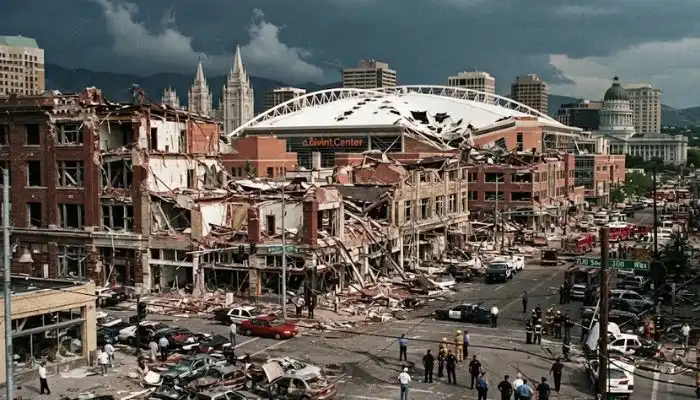
In August 1999, an incredibly violent tornado tore through Salt Lake City, Utah. As the F2 tornado entered downtown, wind speeds reached an estimated 111-135 mph, and the tornado caused $170 million in damage!
Salt Lake City may be unusual (Utah receives only 2.5 tornadoes per year), but no, tornadoes do not just appear in dusty areas.
FAQs
1. Which US state has the lowest tornado risk?
Alaska has historically recorded the fewest tornadoes in the United States.
2. Which month has the most tornadoes in the US?
May is generally one of the most active months for tornadoes across the United States.
3. Are tornadoes common in Hawaii?
No. Tornadoes are uncommon in Hawaii, although they can occur, including occasional waterspouts.
4. Does every US state experience tornadoes?
Tornadoes have been reported in every U.S. state, although the frequency and severity vary greatly.
5. Which areas of the US have the highest tornado risk?
The central and southern Great Plains and parts of the Midwest and Southeast generally experience much higher tornado activity than many other regions.