
I look at my electricity bill every month and wonder where all that power comes from. Most of it comes from burning coal and gas. That puts stuff in the air we breathe. That heats up the planet too. So I started looking into solar panels. And what I found surprised me.
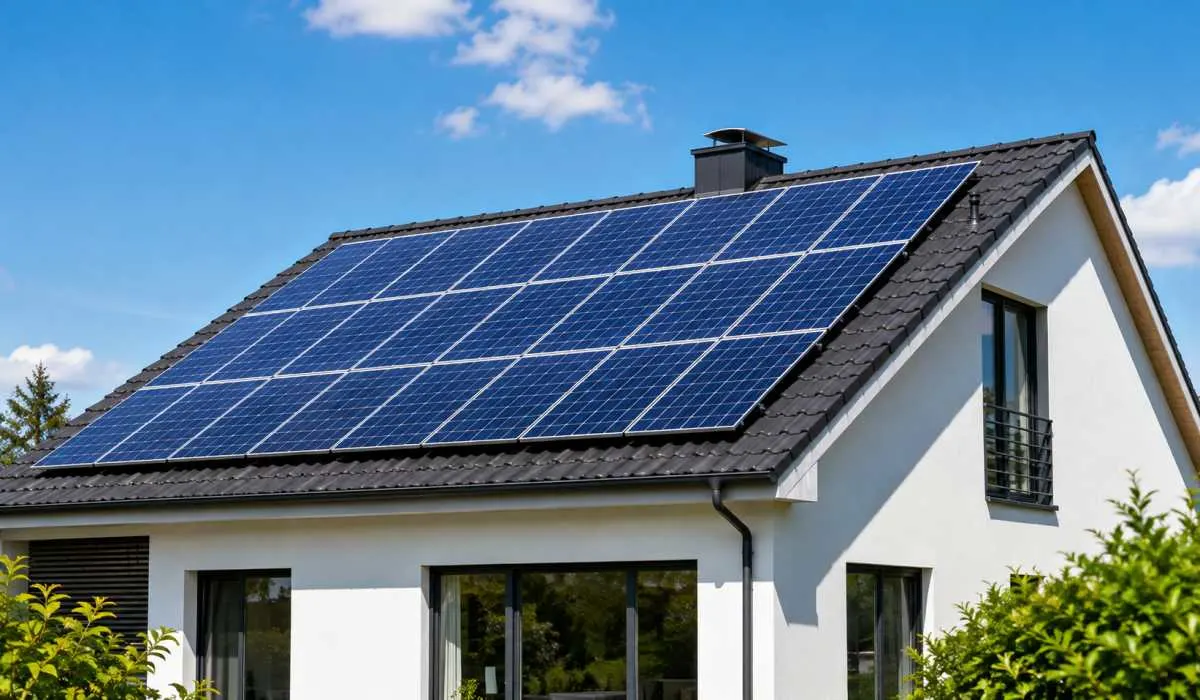
The environmental benefits of solar panels are real. They do not burn anything. They do not smoke up the sky. They just sit there and make power from the sun. No water wasted. No fumes. No noise. Sure they cost money upfront. Sure they take up roof space. But compared to what we do now, they are cleaner. Much cleaner. I wish I had put them up years ago.
Key Takeaways
| What You Need to Know | The Short Answer |
|---|---|
| Do solar panels help the environment? | Yes, they cut greenhouse gas emissions by a lot during their lifetime. |
| Biggest environmental benefit? | No pollution or greenhouse gases while making electricity. |
| Main environmental downside? | The manufacturing process creates some pollution and waste. |
| Is it still better than fossil fuels? | Yes. Solar panels produce about 25 times less carbon than coal over their lifetime . |
Environmental Benefits of Solar Panels
Solar panels offer clear, measurable benefits for the environment. Here is a look at the biggest positive impacts.
1. They Slash Greenhouse Gas Emissions
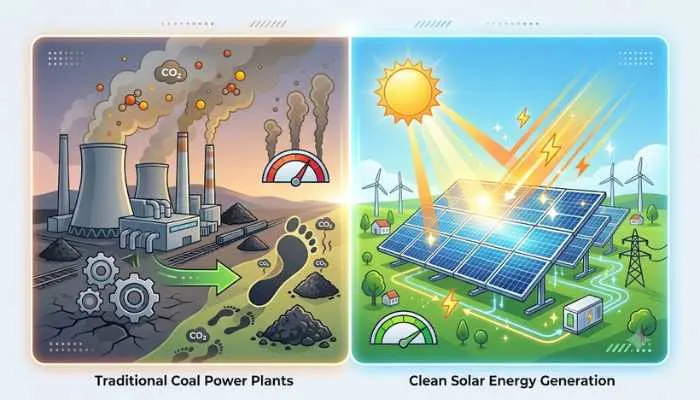
The most important benefit is how solar power cuts greenhouse gases. When a solar panel makes electricity, it gives off no carbon dioxide. It does not produce methane or other harmful gases. This is very different from coal or natural gas plants .
Here is a simple comparison. A typical home solar system can save about one tonne of carbon each year . One solar panel itself prevents about 4 tons of carbon dioxide from going into the air every year. That is like planting 100 trees . By using solar power, you directly reduce the need for fossil fuel energy.
Read More: Effects of Environmental Pollution on Health
2. They Use Little to No Water
Traditional power plants need huge amounts of water to stay cool. Coal and nuclear plants use millions of gallons of water every day. Solar panels do not need any water to make electricity . They also do not pollute water sources. This makes them a great choice in areas where water is scarce .
3. They Reduce Air Pollution
Burning fossil fuels does more than just release carbon dioxide. It also puts out sulfur dioxide, nitrogen oxides, and tiny particles into the air. These cause smog and make people sick. Widespread use of solar panels would reduce these pollutants by a lot . This leads to cleaner, healthier air for everyone .
4. They Offer a Truly Renewable Energy Source
Fossil fuels like coal and oil are finite. They will run out one day. The sun, however, provides a constant source of energy . We can count on it for billions of years. This makes solar energy a sustainable and secure choice for the future .
5. Solar Can Work with Nature
Some people worry that solar farms take up too much land. But new ideas show it can work with nature. For example, "agrivoltaics" lets farmers grow crops and raise animals on the same land as solar panels . Also, many solar panels go on rooftops. This means they use space that is already built on and do not harm natural land . Some solar farms even create pollinator habitats to support bees and butterflies .
What are 10 Advantages of Solar Energy?
Beyond the environmental benefits, solar energy offers many practical advantages that make it a smart choice .
- Clean and Green Energy: Solar power creates electricity without pollution or greenhouse gases .
- Reduces Electricity Bills: You make your own power. This cuts how much you pay the utility company every month. Some people even earn money for extra energy they send back to the grid .
- Energy Independence: You rely less on the power grid and your energy provider. This protects you from rising energy costs .
- Increases Property Value: Homes with solar panels sell faster and for more money. Buyers like the idea of lower energy bills .
- Low Maintenance: Solar panels have no moving parts. They just need a cleaning once or twice a year. They can last for 25 years or more with very little upkeep .
- Renewable and Sustainable: Solar energy is an endless and inexhaustible resource that helps secure a sustainable future .
- Job Creation: The solar industry creates jobs in manufacturing, installing, and maintaining solar systems. This helps the economy .
- Technology is Improving: Solar panels are getting cheaper and more efficient. New technology is making them better all the time .
- Saves Water: Solar power generation requires little to no water. This conserves a vital resource .
- Scalable and Versatile: You can install one panel on a small home or thousands of panels for a large solar farm. It works for almost any need .
You May Also Read: Role of Humans in Climate and Environment
What are 10 Disadvantages of Solar Energy?
Solar panels are not perfect. They also have real drawbacks that you should consider .
- High Upfront Cost: The initial investment to buy and install solar panels is expensive .
- Not Always Available: The sun does not shine at night. Cloudy days also reduce how much power the panels make .
- Requires Space: You need a good-sized roof or yard to install enough panels . Battery storage also takes up space .
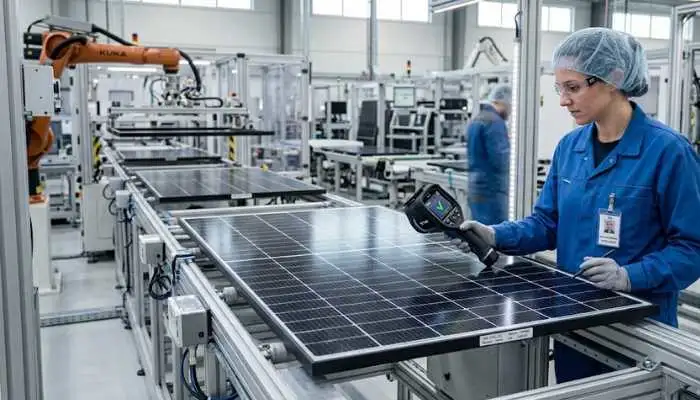
- Manufacturing Creates Pollution: Making solar panels takes energy and creates some pollution. Silicon mining and processing can harm the environment .
- Waste Management Problems: Old solar panels are hard to recycle. They contain toxic materials. If not disposed of right, they can harm the soil and water .
- They Use Hazardous Materials: Some solar panels contain toxic chemicals like lead, fluorine, and chromium. These can be dangerous if they leak into the environment .
- Battery Issues: Solar batteries are needed for storing energy. But they also contain chemicals that can contaminate soil and water if not thrown away properly .
- Reduced Efficiency Over Time: Solar panels lose a little bit of their ability to make power each year. They also are less efficient in high heat or extreme temperatures .
- Visual Impact: Some people just do not like how solar panels look on a roof. They can be seen as an eyesore .
- Not a Perfectly "Green" Process: Looking at the entire life cycle, from making to disposing of, solar power is not 100% free of environmental impact. It is much better than fossil fuels, but it is not a zero-emissions technology .
The Bottom Line: Are Solar Panels Good for the Environment?
The answer is a clear yes. The environmental benefits of solar panels are much bigger than their drawbacks. When you look at the whole life of a solar panel, it creates about 25 times less carbon pollution than burning coal . Even with the pollution from making them, they are still a clean energy source. The technology and recycling processes are also improving every year. For anyone looking to reduce their impact on the planet and fight climate change, solar panels are one of the best tools we have .
FAQs
1. Do solar panels help the planet?
Yes they do. Solar panels make electricity without putting anything bad into the air. No smoke. No gases. Nothing. Coal and gas plants keep polluting every day they run. A solar panel works clean for 25 years or more. The dirt from making it gets paid back in just a few years. After that it is all good for the earth.
2. What about old panels that stop working?
This is a problem we have not solved yet. Panels last about 25 years. Then they become trash. Right now it costs more to recycle them than what you get back. So many end up in dumps. But people are working on this. New panels are getting easier to take apart. Give it time.
3. Are there dangerous chemicals in them?
Some panels have lead or cadmium. These are not good for you or the ground. If a panel breaks these can get out. But not all panels have these. Many newer ones do not use them. Ask the company what they put in their panels. Pick the safer ones.
4. Do big solar farms hurt animals?
They take up space. That is true. But many are put on land that was already messed up. Old mines. Parking lots. Rooftops. Some farms even plant flowers under the panels. Bees and butterflies come to them. Sheep graze there too. So it is not all bad for wildlife.
5. Will solar work where I live if it is cloudy?
Yes it will. Solar panels need light not heat. They work fine on cloudy days. They actually do better in cool weather than really hot weather. Germany is not sunny. Neither is the UK. But both have lots of solar. You just need more panels in cloudy places. Batteries help too.