
Protection for wildlife doesn't begin in the far away rainforest. It starts on your street. In your garden. In the local park. You can make decisions each day that will impact the animals living around you. Native instead of lawn. A locked bin - not unlocked. A cat that does not move around outdoors.
Learning how to protect wildlife in local communities is simpler than you think. No expertise needed. No big budget. Just a willingness to make a few changes. This guide shows you where to start. Read on and make a difference where you live.
Start in Your Own Backyard
Your outdoor space can be a haven for wildlife, no matter how small.
Plant Native Species
Native plants are the best choice for local wildlife. They provide food and shelter for birds, insects, and small animals that have evolved alongside them . They also need less water and care. Check what grows naturally in your area and add those to your garden, balcony, or window box.
Provide Water
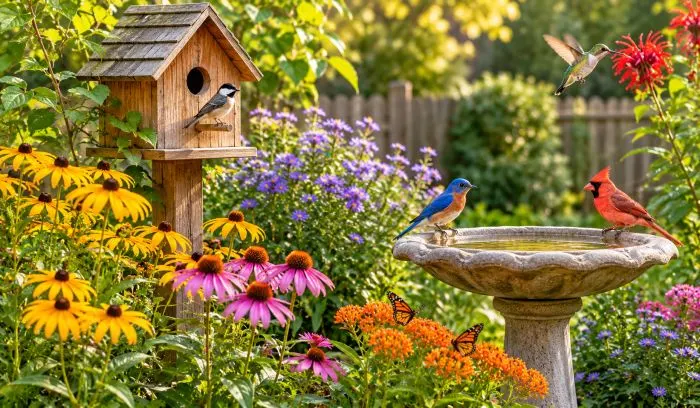
A birdbath or a small pond gives animals a reliable water source. Clean it regularly to prevent disease. During hot months, this can be a lifeline for birds and insects . If you live in a cold region, use a heater to stop the water from freezing .
Create Shelter
Bird boxes and nest boxes give birds a place to breed when natural sites are scarce . Leave dead leaves and flowers in your garden during winter. They provide natural habitats for insects and small creatures . Avoid trimming shrubs in spring when birds are nesting .
Read More: What Are the Main Threats to Wildlife Today? US Guide 2026
5 Ways to Protect Animals
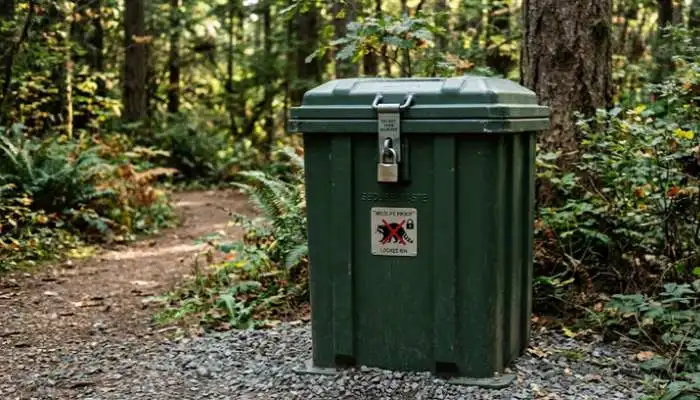
These are simple, direct actions anyone can take.
1. Reduce Plastic Waste
Plastic is one of the biggest threats to wildlife. Over 8 million tonnes end up in oceans each year. About 40 percent of marine animals eat it or get stuck in it . Switch to reusable water bottles and shopping bags. Avoid plastic cutlery and straws. Recycle properly.
2. Keep Your Cat Indoors
Cats are natural hunters. Even well-fed cats kill birds and small mammals. Keeping your cat inside protects local wildlife and keeps your cat safer too .
3. Secure Your Bins
Wildlife can get into rubbish bins and eat harmful substances. Make sure your bins have secure lids. This keeps animals safe and stops them from becoming dependent on human food .
4. Avoid Toxic Pesticides
Pesticides harm birds, insects, and the animals that eat them. They also pollute water sources. Use organic alternatives or natural pest control methods .
5. Do Not Feed Wildlife
Feeding wild animals can cause disease and make them forget how to find their own food. It can also attract predators. Keep the "wild" in wildlife. If you want to help birds, use proper bird feeders during winter months .
How to Protect Wildlife in Points: 10 Ways to Save Wildlife?
Here are ten points you can act on today.
-
Reduce, reuse, recycle. Cut down on waste and dispose of it properly. Litter harms animals .
-
Plant trees and native plants. They provide food, shelter, and help clean the air .
-
Use eco-friendly cleaning products. Harsh chemicals pollute water and harm wildlife .
-
Save energy. Turn off lights and use energy-efficient appliances. Less energy use means less habitat destruction .
-
Create bird boxes. Give birds safe places to nest .
-
Volunteer. Join local clean-ups or help at a wildlife sanctuary .
-
Visit wildlife conservations. Your entry fee supports protection work. You also learn about local species .
-
Educate others. Share what you know. Talk to friends and family about small changes they can make .
-
Support wildlife-friendly policies. Attend local meetings. Speak up for green spaces and wildlife corridors.
-
Adopt or sponsor wildlife. Many organisations offer programs where your donation supports a specific species or reserve .
You May Also Read: Wolverine Reintroduction Plan in Colorado: What You Need to Know
The Bigger Picture: Community Action
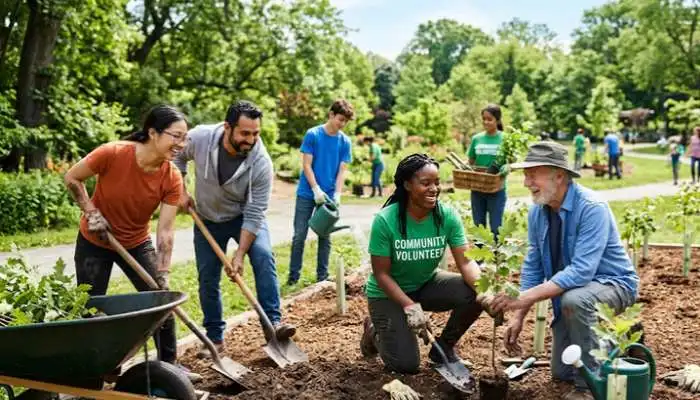
Individual actions matter. But community action makes a bigger difference.
Join or Support Local Groups
Many areas have conservation groups, friends of parks, or wildlife trusts. They organise clean-ups, planting days, and monitoring programs. Join one. Or start one. Collective effort gets more done than individual effort .
Work with Local Authorities
Attend council meetings. Speak up for wildlife corridors when new developments are planned. Push for green spaces to be protected. Local government decisions shape the landscape for decades.
Support Community-Led Conservation
In many places, local communities are the best protectors of wildlife. In Pobitora, India, community stewardship helps protect the world's highest density of Indian rhinos . In Coringa, villagers became long-term custodians of mangroves after being given a stake in restoration work . When people benefit from conservation, they protect it.
FAQs
1. What is the easiest way to protect wildlife in my community?
Start in your garden. Plant native species, provide water, and avoid pesticides. These small steps create safe spaces for birds, insects, and small animals. They also reduce harm to the wider environment.
2. How do I protect wildlife in 5 points?
Reduce plastic waste. Keep your cat indoors. Secure your bins. Avoid toxic pesticides. Do not feed wild animals. These five actions directly reduce harm to local wildlife .
3. What are 10 ways to save wildlife?
Plant natives, provide water, create shelter, reduce waste, save energy, volunteer, visit conservation areas, educate others, support wildlife-friendly policies, and sponsor wildlife programs .
4. Why should I not feed wild animals?
Feeding wildlife can cause disease, make animals dependent on humans, and attract predators. It can also change their natural behaviour. It is better to provide natural food sources through native plants .
5. How can I help birds in my garden?
Put up bird boxes for nesting. Provide a birdbath for water. Plant native shrubs and trees for food and shelter. Avoid trimming shrubs during spring nesting season .
6. What is the biggest threat to local wildlife?
Habitat loss is the biggest threat. Development, pollution, and climate change all contribute. You can help by protecting green spaces, planting natives, and supporting local conservation efforts.
7. Can one person really make a difference?
Yes. Small actions add up. If one person plants natives and avoids pesticides, that helps local insects and birds. If a whole street does it, the impact multiplies. Community action starts with individuals.
8. How do I get involved in local conservation?
Join a local wildlife group or friends-of-parks organisation. Volunteer for clean-ups or planting days. Attend council meetings. Support community-led conservation projects. Every action counts.