
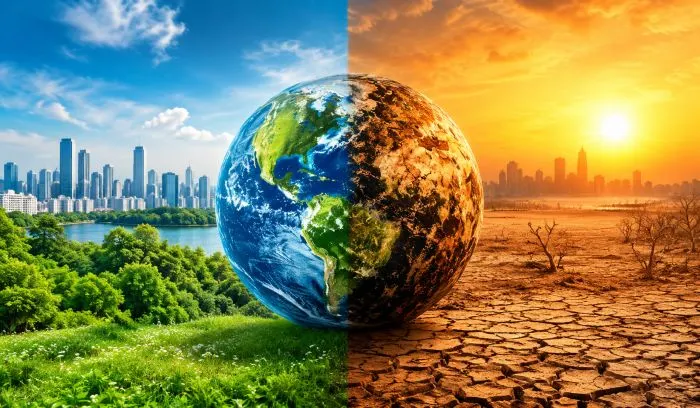
The climate evidence is coming thick and fast, painting a vivid picture of our future. Within the next 50 years, our planet is likely to be a very different place: altered significantly by rising seas, intense storms, the destruction of wildlife. Many of these effects are now happening, but it is the following decades that could reveal the true force of climate change. If we assume a conservative probability of 80% for life expectancy, we will experience these changes firsthand.
Anyone born today (anyone born after 1995) will witness these shifts and feel the profound impact of a fast-moving, fast-changing planet. Fifty years from now, the world we're living in, what we've done, and what life on Earth will ultimately look like will become increasingly clear.
United Nations warning
A report by the United Nation's climate change body published 4 October 2023 states that Earth is heading for a disastrous rise in temperatures. Nearly 200 nations' representatives examined top climate scientists' projections, which indicate the world is on course to cross a perilous temperature threshold within a decade if the globe does not swiftly move beyond fossil fuels.
Alarming rise in global temperature
The most frightening impacts of climate change include the warming of the planet. On this very point, a recent report prepared by scientists from the US, China, Europe – (PLoS, 2020) – projection to the year 2070, indicates that one-third of humanity could be subjected to levels of heat comparable to the current hottest regions of the Sahara.
Read More: Americas Worst Storms: Deadliest Storms in US History
Extreme heat
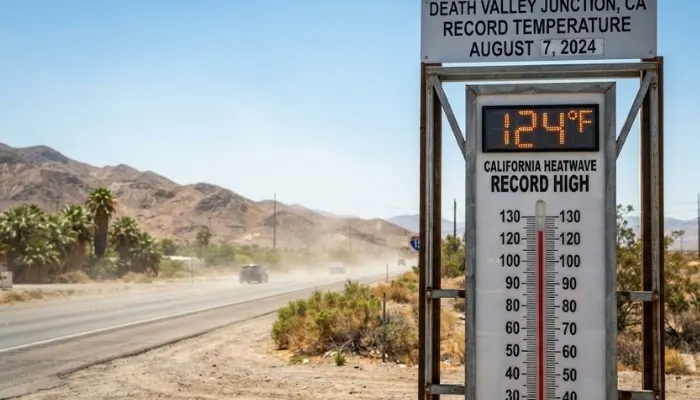
Latest articles: Other reports, such as this one from the NOAA (National Oceanic and Atmospheric Administration), show just how bad things are getting: In summer 2024, California experienced the hottest summer ever recorded; other states including Arizona and Florida also saw record-breaking heat.
California
California has in particular been hit hard by this heatwave. A temperature of 117F (47C) was experienced by the city of Palm Springs in October 2024, which set a record for the hottest temperature ever recorded in the US during October.
NASA's Gavin Schmidt
NASA's Gavin Schmidt: "We've warmed up the planet by about two degrees Fahrenheit (1.1 degrees Celsius) over the last century or so, so that is ramping up the extremes, so the amount of times that you are getting over 90 or 100 degrees F (32 or 37 C) (And we are getting more over 90 F and 100 F) not just by a little, it is four, five, seven times as much."
The shift in climate patterns
In the near future, the IPCC will paint a grim picture. The further the Earth warms, the more dramatically various weather patterns will change in different parts of the world.
Late-season heat waves
For example, the October 2024 heat wave that broke records in some parts of the US shows how climate change is already impacting the weather. "If we keep warming the planet by burning fossil fuels, this late-season heat wave will become an increasingly frequent occurrence," Kristina Dahl, a climate scientist with the Union of Concerned Scientists, told Reveal.
By 2075
The ocean will continue to warm, especially in the subtropical and tropical belts of oceanic water. In 2075, summer temperatures in Boston will reach an average that is 8F (4C) hotter than they are today; while in London, summer will feel like today’s Soficille, Italy, which is 6F (3C) warmer.
Rising sea levels
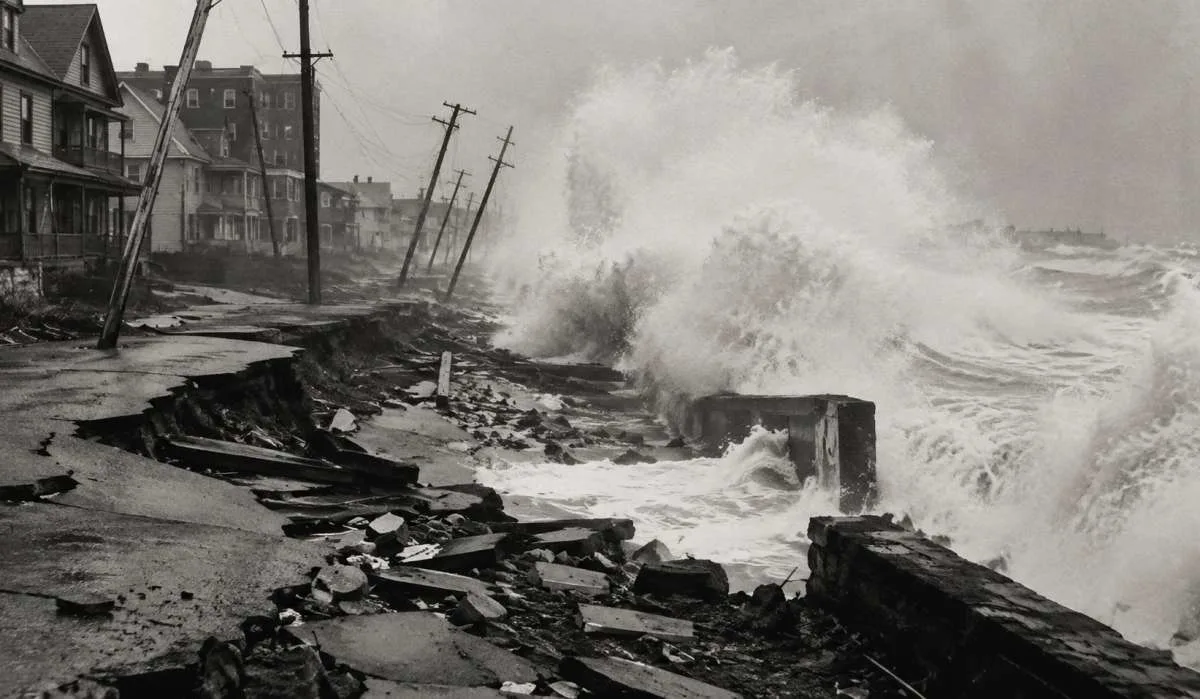
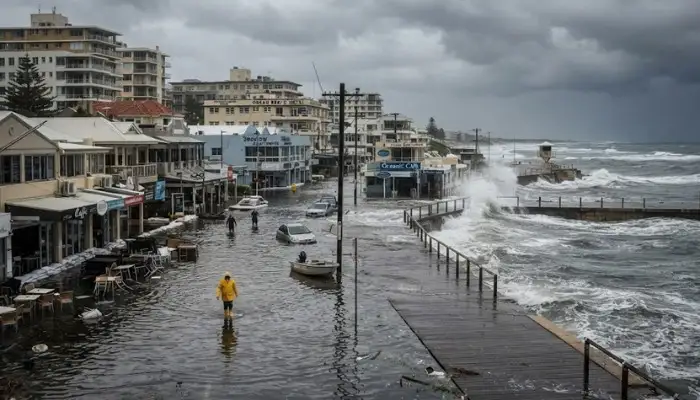
At the same time, coasts will face the consequences of already occurring rising sea levels, averaging 8-9 inches (21-24 cm) above their 1880 levels. The Earth Observatory of NASA forecasts that by 2050, the US coastlines will experience up to a foot (30 cm) of sea level rise, causing dislocation for millions of people.
Water scarcity issues
This gap will make water scarcity worse – arid zones will increasingly struggle as severe weather events destabilise fields and supplies. Already fragile countries will suffer the hardest hit, and this will intensify migration trends as people will have no choice but to move to liveable zones.
You May Also Read: Effects of Environmental Pollution on Health
The loss of biodiversity and its consequences
It is also important for everyone to be aware of the impact that the climate crisis will have on biodiversity. Scientists are already referring to it as a sixth wave of mass extinction, and we are experiencing its effects now due to overfishing, deforestation and the destruction of habitats.
Deforestation
Sixty percent of the world's primeval forests, which are home to countless species, have already disappeared due to the ongoing issue of deforestation. Deforestation ranks among the leading causes of nature's extinction.
FAQs
1. What could climate change look like in 50 years?
Climate change in 50 years could bring higher temperatures, more extreme weather, rising sea levels, water shortages and major changes to ecosystems.
2. Will extreme heat become more common in the future?
Yes. Continued global warming is expected to increase the frequency and intensity of extreme heat in many parts of the world.
3. How will rising sea levels affect people?
Rising sea levels could increase coastal flooding, damage infrastructure and force some communities to move away from vulnerable coastal areas.
4. Could climate change cause water shortages?
Yes. Hotter temperatures, changing rainfall patterns and longer droughts could make water shortages more serious, especially in already dry regions.
5. How will climate change affect wildlife?
Climate change can destroy or alter habitats, increase pressure on species and contribute to biodiversity loss. Combined with deforestation, overfishing and other human activities, it could increase extinction risks.