
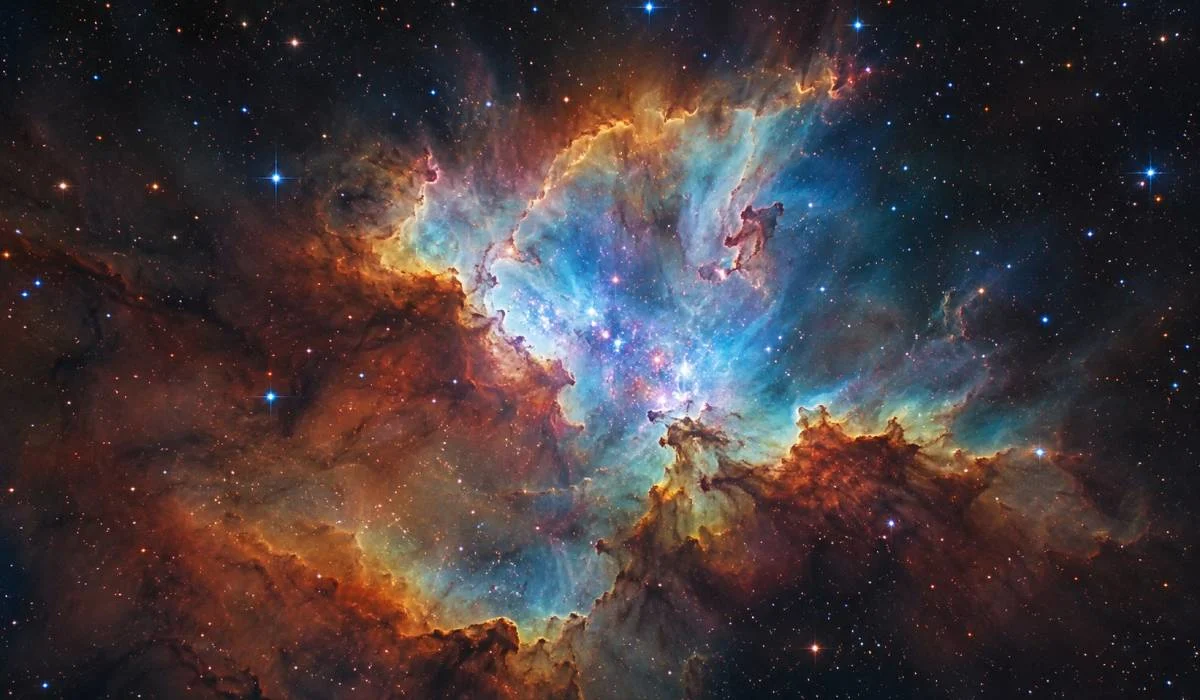
Ever wonder in space how are stars born? It's surrounded by massive clouds of cold gas and dust. A cloudy and gloomy day. The key player here is gravity. Gathers up the gas and dust. The centre becomes hotter and hotter as they form into clusters.
When the temperature hits about 10 million degrees, a nuclear reaction ignites. That reaction gives off energy. That energy is light. That is the light that we see when we look at a star. The entire process will take millions of years. But the result is a shining star that can live for billions of years.
The Birthplace: Molecular Clouds
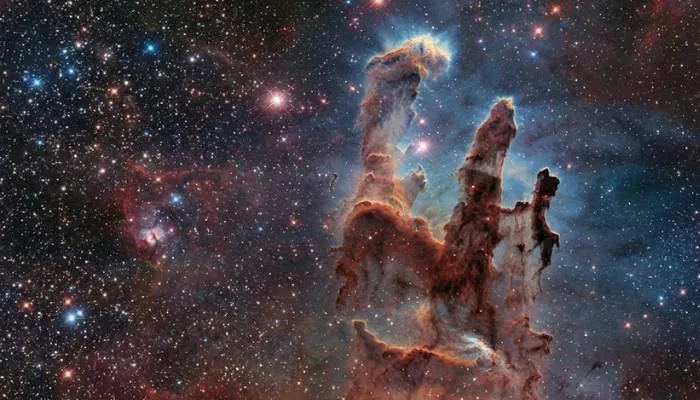
Stars form in places called molecular clouds. These are huge areas in space full of gas and dust. They are very cold. The temperature can be as low as -440°F . Most of this gas is hydrogen. About 28% is helium. The rest is tiny amounts of other elements . These clouds are often called stellar nurseries. This is because they are the places where new stars are born .
Read More: Mars Sample Return Mission USA: NASA’s Next Step
The Step-by-Step Process
The birth of a star takes millions of years. Here is how it happens.
Step 1: Gravity Starts the Process
A molecular cloud can stay quiet for a long time. Something needs to disturb it to start making stars. This could be a shockwave from a nearby exploding star. It could also be a collision with another cloud . This disturbance pushes the gas in the cloud. The gas starts to clump together. Gravity takes over. It pulls more and more gas and dust into these clumps .
Step 2: The Cloud Collapses
As gravity pulls material in, the clump gets denser. The pull of gravity gets stronger as the clump shrinks . This is called a gravitational collapse. The material in the clump begins to spin. The friction from all this spinning and crashing creates heat .
Step 3: The Protostar Phase
The collapsing clump is now called a protostar. This is a baby star. It is a hot ball of material. But it is not yet a true star. It is still pulling in gas and dust from its surroundings. This makes it grow . A disk of material forms around the protostar. This is called an accretion disk. It looks like a pancake of gas and dust spinning around the baby star .
Step 4: Nuclear Fusion Begins
The protostar keeps contracting. Gravity squeezes it tighter and tighter. The pressure and temperature in the core keep rising. The core must reach about 10 million degrees Celsius for the next step to happen . At this extreme temperature, nuclear fusion starts. Hydrogen atoms smash together. They fuse to form helium. This process releases a huge amount of energy . This energy is what makes a star shine. Once nuclear fusion starts, the star is born.
What Are Stars Made Of?
Stars are made of very hot gas . A star is mostly hydrogen and helium . A small part of a star is made of heavier elements. These include carbon, nitrogen, and oxygen . These heavier elements were made by older stars that existed before. When those stars died, they spread this material back into space.
New stars formed from this recycled material . Our own Sun is a middle-aged star. It is about halfway through its life. It will continue to burn hydrogen for another 5 billion years .
You May Also Read: Latest discoveries in space exploration
What Happens After a Star Is Born?
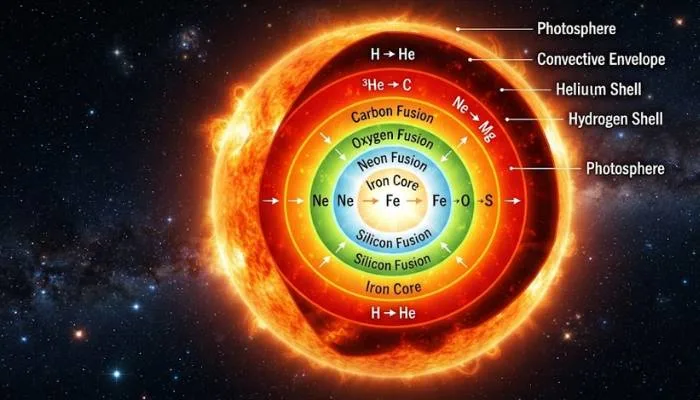
Stars spend most of their lives fusing hydrogen into helium in their cores . What happens at the end of a star's life depends on its mass. The process of how stars are born is the same for most stars. But their final fate can be very different.
A Star Is Born: Key Facts
- Nebulae: Stars are born in cold clouds of gas and dust called molecular clouds.
- Gravity: Gravity is the force that pulls the gas and dust together.
- Protostar: The baby star is called a protostar. It is not yet fusing hydrogen.
- Nuclear Fusion: A star is born when it gets hot enough to fuse hydrogen into helium.
- Composition: Stars are mostly made of hydrogen and helium gas.
FAQs
1. What do NASA scientists say about star birth?
NASA says stars begin inside thick clouds of cold gas. Gravity is the main force. It squashes the gas until the middle gets hot enough to start a nuclear reaction. That reaction makes the star light up. NASA uses powerful telescopes to look through the dust and see this happen.
2. Do we have a special name for a newborn star?
Yes. We call it a protostar. Think of it as a star in the making. It is still collecting material. It has not started burning fuel yet. The protostar stage is the very first phase of a star's life. After that, it becomes a proper star.
3. Does every star take the same time to form?
No. The time varies a lot. A star the size of our Sun needs about 50 million years to form. Bigger stars are much quicker. They can form in a few hundred thousand years. Smaller stars are slower. They take a long time to gather enough material.
4. What exactly is inside a star?
A star is a giant ball of gas. The main ingredients are hydrogen and helium. Hydrogen is the fuel. Helium is what you get after the fuel burns. The rest is very small amounts of other stuff like carbon and oxygen.
5. Can we watch a star being born right now?
Not with your eyes alone. The dust clouds hide everything. But we have special tools. Infrared cameras and radio telescopes can see right through the dust. They have taken clear pictures of baby stars. We have seen protostars hiding inside their dusty cocoons.