
You have probably heard about climate change and extinction. It feels heavy. But here is the good news. People are fighting back. And they are winning. The latest wildlife conservation projects are not just about putting animals in boxes and hoping for the best. They are smart.
They use technology, local knowledge, and old fashioned common sense. From growing coral in underwater gardens to bringing back bison to European forests, the approach has completely changed. The focus now is on coexistence.
The Ocean Winners: Blue Park Awards
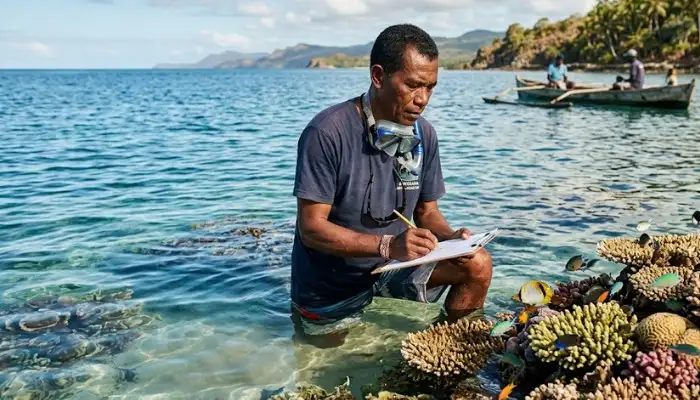
You know how there are awards for movies and music? There are awards for protected oceans too. The Marine Conservation Institute gives out Blue Park Awards. It is a big deal. These are marine protected areas that are showing real, solid results.
The latest winners are a real mix. There are three parks in Madagascar. They protect coral reefs, seagrass beds, and giant sea turtle nesting sites. One of them protects over 1,190 square kilometers of ocean. That is a massive area where marine life can thrive without fishing pressure.
Then there is the Rapa Nui Marine Protected Area in Chile. This one is huge. It covers the entire exclusive economic zone around Easter Island. Because it is so isolated, almost half of its fish species are found nowhere else on Earth. That is incredible. Imagine protecting a place that holds species you cannot find anywhere else on the planet.
There is also a place in Senegal called the Kawawana Indigenous Community Heritage Area. This one protects mangroves and is home to the African manatee. The best part? It is run by the local community. The name even means "our natural heritage for all of us to protect." That is the kind of project that really works. When people feel ownership, they protect it like their own backyard.
Read More: Wolverine Reintroduction Plan in Colorado: What You Need to Know
Rewilding Europe: Bringing Back the Giants
Europe is doing something pretty amazing. They are bringing back animals that have not been seen in centuries. The Rewilding Europe project is one of the most ambitious conservation efforts on the continent.
In Portugal, they have reintroduced wild horses. Not domesticated horses that escaped. Real, wild horses that act like they did thousands of years ago. These animals graze the land in a way that actually helps other species. Their hooves disturb the soil. They eat certain plants. This creates space for insects and flowers that had disappeared.
In the Danube Delta, they are bringing back bison. These massive animals once roamed all over Europe. Now they are back in small but growing herds. The bison act like natural forest managers. They knock down trees. They create clearings. This lets sunlight hit the forest floor. And when sunlight hits, plants grow. When plants grow, more animals come. It is a domino effect.
What is smart about this project is they are not just dropping animals in and hoping for the best. They work with local farmers and landowners. They pay people for the damage the animals cause. They create tourism opportunities. Local guides take visitors out to see the bison. That brings money into rural communities. It creates a reason for locals to want the animals around. It is conservation that pays for itself.
The Coral Comeback: Reef Restoration That Works
Everyone knows coral reefs are in trouble. They are dying from warming oceans and pollution. But there is a project in Florida and the Caribbean that is turning things around.
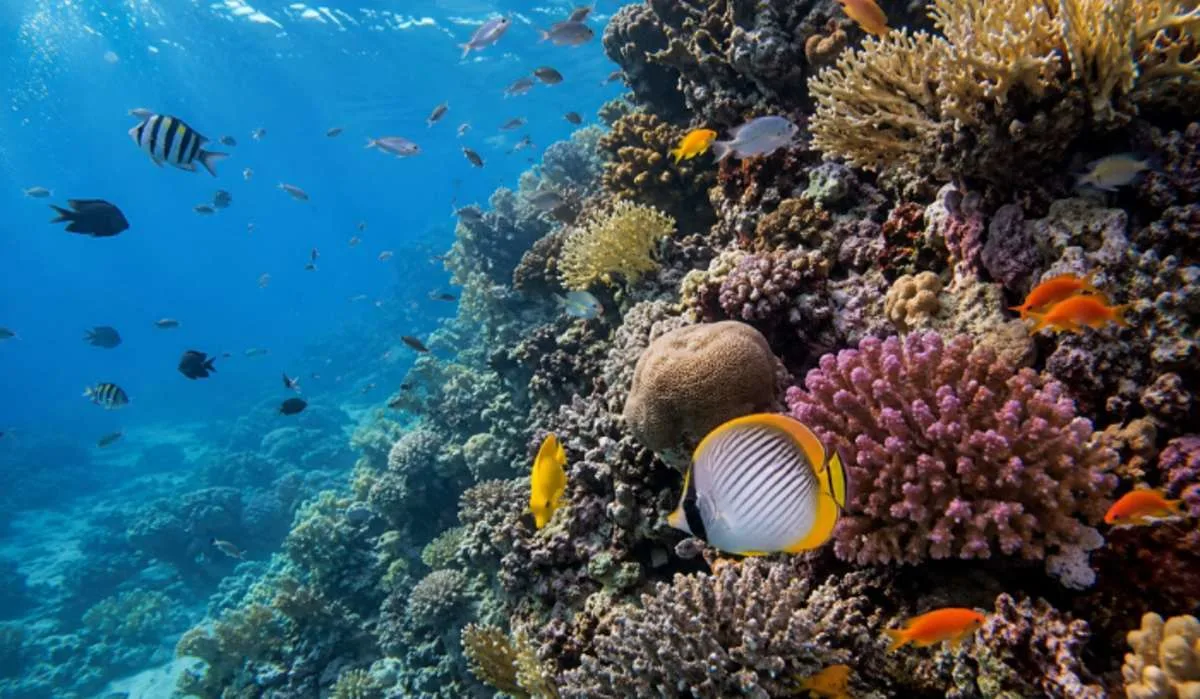
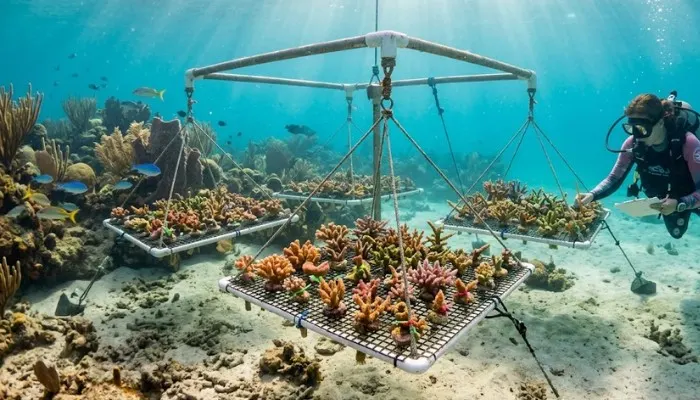
The Coral Restoration Foundation is doing something simple but effective. They grow coral in underwater nurseries. Think of it like a garden, but under the sea. They take small fragments of healthy coral and attach them to underwater structures. They let them grow for a while. Then they plant them back onto damaged reefs.
And it works. They have planted over 220,000 corals across reefs in Florida and the Caribbean. The corals grow. They reproduce. They create habitat for fish. Reefs that were gray and lifeless are now full of color again.
What makes this project special is their training program. They teach local divers how to do the restoration themselves. In the Bahamas, they have trained local fishing guides to become coral gardeners. These are people who used to make their living catching fish. Now they are making their living growing the habitat where fish live. It is a complete shift. One that works for the environment and for people's wallets.
Snow Leopard Protectors: Working with Shepherds
High up in the mountains of Central Asia, there is a different kind of project. It does not involve fences or big science. It involves shepherds and their livestock.
Snow leopards are incredibly rare. There are only a few thousand left in the wild. And they have a problem. They sometimes eat a sheep or a goat from a local herder. The herder loses income. So the herder kills the snow leopard. It is a simple, sad equation.
But the Snow Leopard Trust has flipped the script. They give shepherds money if they lose livestock to a snow leopard. This compensation removes the reason to kill the cat. Then they go one step further. They help shepherds build better pens for their animals. Stronger walls. Better roofs. If the snow leopard cannot get in, it cannot eat the sheep. Everyone wins.
The project also sells handmade crafts from the herding communities. Rugs and hats made from local wool. The money goes back to the families. And it teaches them the value of keeping snow leopards alive. A live snow leopard brings in tourists. Tourists buy crafts. Crafts bring in money. It is a chain reaction that protects a beautiful animal and supports a traditional way of life.
The African Elephant Initiative: Coexistence over Conflict
Across Africa, elephants and people are bumping into each other more often. Farmland is expanding. Elephant routes are being blocked. And when a herd of elephants walks through a farmer's field, that farmer loses their entire year's income. Naturally, they are not happy about it.
The Elephant Protection Initiative is tackling this problem head on. They are not just saying "do not hurt the elephants." They are offering real solutions.
First, they have installed early warning systems. Solar-powered sensors detect elephant movements. They send text messages to farmers' phones. The farmer gets a heads up that elephants are coming. They have time to scare them away safely.
Second, they are creating "elephant-friendly" chili fences. This sounds wild but it works. Elephants hate chili peppers. Farmers plant chili around their fields. The smell is a natural barrier. It costs almost nothing. And it works better than electric fences.
Third, they are training communities to track elephants. Locals become citizen scientists. They record elephant movements. They share data with conservation groups. This data helps create better land use plans. It shows where elephants want to go. It shows where farmers need help. It is using local knowledge and modern technology to solve a very old problem.
You May Also Read: Top Wildlife Destinations for Animal Lovers
The Wildcat Connection: Getting Students Involved
This is the part where you come in. A lot of projects are not just for scientists. They are for everyday people. And especially for students.
The Dragon Hunters
In Australia, they are turning kids into reptile trackers. The Monaro Grassland Earless Dragon is one of the rarest reptiles in the area. So the government set up a program where students get involved. Kids are not just learning about the lizard. They are helping monitor it. They even get to name the dragons. Names like "Baby Godzilla" are now officially in the scientific records. That is a great way to get kids to care.
City Kids and Summer Programs
You do not have to be in the wild to help. Many zoos and wildlife centers run summer programs. They have expert talks, photography competitions, art sessions, and heritage walks. These are city kids. But they are learning about biodiversity, climate action, and how to live sustainably. The next generation of conservationists is being built right now.
What This All Means for the Future?
These projects show that conservation has changed. It is not just about building a fence and keeping people out. It is about bringing people in.
It is a team sport. You need governments, scientists, and local communities. No single group can do it alone.
Tech is a tool. From tracking elephants to growing corals, technology helps us do more with less.
The kids are the future. These student programs are not cute side projects. They are essential. The kids learning about dragons and corals today are the ones who will be running the parks tomorrow.
It is about value. Conservation works when it creates value for local people. Tourism money. Compensation for losses. Jobs as guides or trackers. When an animal is worth more alive than dead, it has a future.
So the next time you hear about a conservation project, take a second look. It might just be one of the most exciting things happening in the world right now. These projects are proof that we can fix what we broke. It takes work. It takes money. But mostly, it takes people who care. And clearly, there are plenty of those around.