
The use of animals as messengers has had a significant role throughout history and has been used to deliver a message when roads, telephones and other means of communication were unavailable. They were sent to help soldiers, to save lives and to bring messages across distant lands.
They helped soldiers, saved lives, and brought messages across dry deserts. Others even altered the outcome of pivotal battles by their sudden appearances. The stories reveal how animals have been relied on during hard times. 20 Amazing tales of animals that carried messages, delivered mail and made history.
A Badly Wounded Pigeon Saved 194 Trapped Soldiers
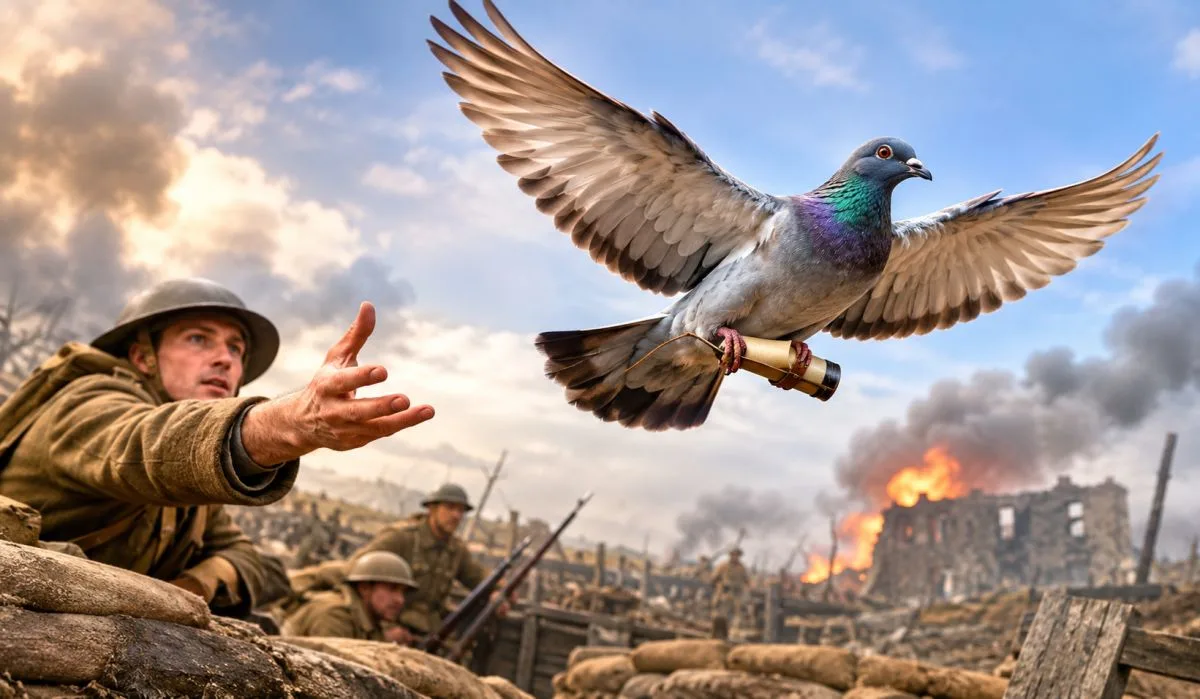
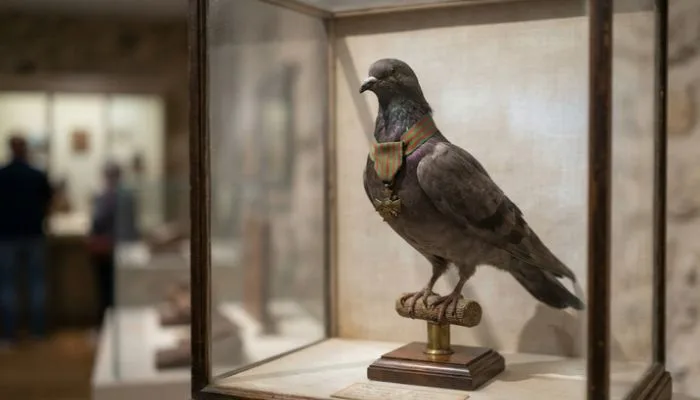
- World War I. Major Charles Whittlesey and his men (194) were trapped behind enemy lines in France's Argonne Forest and, to add to the insult, his fellow American military troops began to target their location with artillery fire. Two pigeons bearing the rescue messages he'd sent out Germans shot dead. He had only one option left. The last bird was a US Army Signal Corps pigeon named Cher Ami – who, incidentally, was later discovered to be a male despite long having been referred to as a 'she'. They released the bird. Germans shot it through the chest, blinded in one eye, its leg was all but gone, dangling by a tiny thread of tissue – yet he made it home. The barrage lifted, the men saved.
Read More: Latest Wildlife Conservation Projects Saving Nature Worldwide
Mules Still Carry the Mail to the Grand Canyon's Floor
One descent at the bottom of the Grand Canyon-the only exit is an 8-mile hike-the village of Supai, Arizona, on the Havasupai reservation, is a mule-mail town.
Daily, the village's post office receives supplies, letters, and drugs brought down the trail by pack mules. (The operation has been ongoing since the 1930s, when local wranglers struck a deal with the US Postal Service to lead the animals down the trail. It's now the only remaining official mule-mail route in the country.)
G.I. Joe's 20-Mile Flight Stopped a Friendly-Fire Bombing
One such mission occurred in World War II, when British soldiers captured the Italian village of Calvi Vecchia early in the invasion. However, their aircraft were already taxiing for take-off when they spotted Calvi Vecchia from the air.
They also broke radio contact but, via Britain's 56th Infantry Division, the US Army Signal Corps had G.I. Joe, a pigeon, flown 20 miles in 20 minutes. The airmen turned back in mid-air and landed in order to avoid bombing the village, saving approximately 1,000 soldiers and Italians and subsequently received Britain's Dickin Medal, the animal equivalent of the Victoria Cross.
Winkie's Oily Feathers Helped Rescuers Find a Downed Crew
An RAF bomber crashes in the freezing North Sea off Norway, not having had time to radio for help. Winkie, a homing pigeon on board the aircraft, is released and makes it back to Scotland with engine oil on her.
She doesn't bring a message – but RAF authorities can work out the aircraft's whereabouts from her arrival time and the wind speed at the time. Four crew members are rescued, and Winkie becomes the first homing pigeon to receive a Dickin Medal.
Decimus Brutus Used Pigeons to Break a Roman Siege
And during Rome's civil wars of 43 BC, when Roman general Decimus Brutus faced a siege in the city of Mutina (modern Italy) by Mark Antony's forces, he used carrier pigeons to smuggle messages out of the city.
He attached messages to the carriers, releasing them towards a relief force of the future emperor Augustus waiting beyond the siege lines. The messages allowed the relief force to time their attack perfectly.
Camel Trains Kept Outback Australia's Mail Moving for Decades
Australian postal authorities imported single-humped camels to transport the mail across the Australian Outback of South Australia, Western Australia and the Northern Territory between the 1860s and 1930s.
Their purpose was to traverse the desert heat and waterless stretches of the Outback that would have been lethal to horses. Handlers who originated from regions of modern-day Pakistan, India and Afghanistan operated the camel teams, but, according to local colonials, they were all called "Afghans".
You May Also Read: Wolverine Reintroduction Plan in Colorado: What You Need to Know
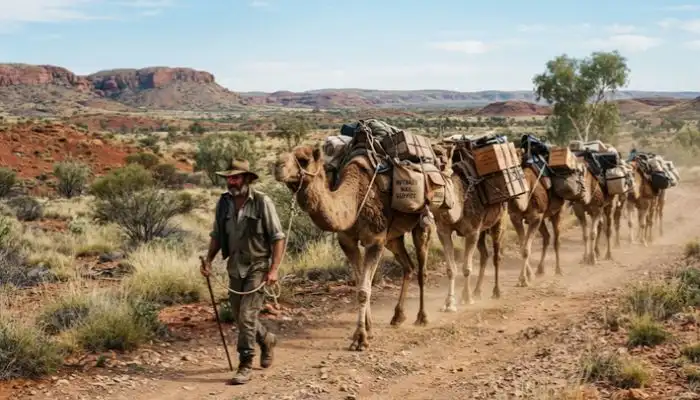
The camels could go for days without water and handlers dismounted them by the 1930s in favor of motor trucks.
Relay Horses Moved Mail At A Gallop For 2,000 Years
Even before the telegraph was created, centuries ago, empires created relay systems around the world to transmit mail as fast as possible. Whether Persia's Chapar Khaneh or the Mongols' Yam system centuries later, relay stations along the route exchanged horses for fresh horses to carry the mail a little farther.
America's Pony Express arrived soon after, slashing the delivery times from Missouri to California to 10 days. It lasted just about 18 months before the telegraph made it redundant.
Marine Dobermans Ran Messages Through Pacific Jungle Combat
From 1943 to 1945, the US Marine Corps used "Devil Dogs" in the form of their 1st War Dog Platoon of trained Doberman Pinschers on the island of Bougainville and Guam.
In the tropical jungle, humidity and the salty air would short-circuit the radio transmitters while the dense jungle made it difficult to use visual signals. Between their primary front-line beachhead and the main base, the Dobermans ran the report loops in canisters around their necks along sniper-scarred jungle paths and acted as sentries between runs.
FAQs
1. Which pigeon saved 194 soldiers during World War I?
Cher Ami was the pigeon that delivered a life-saving message despite being badly wounded. Its journey helped save 194 American soldiers trapped behind enemy lines in 1918.
2. How did animals help people send messages during wars?
Animals such as pigeons, dogs, and horses carried written messages between military groups when radio communication was unavailable or unsafe.
3. Who was G.I. Joe, and why was he famous?
G.I. Joe was a military pigeon that flew around 20 miles in 20 minutes to deliver an urgent message. His flight prevented an accidental bombing and saved many lives during World War II.
4. Why were camels used to deliver mail in Australia?
Camels could travel long distances through hot, dry desert areas without drinking water for several days. This made them useful for carrying mail across the Australian Outback.
5. What was the role of dogs as messengers during World War II?
Trained military dogs, including Doberman Pinschers, carried messages between soldiers and military bases. They were useful in dense jungles where radio communication and visual signals often failed.